They come for the views, the challenge, the fresh air - but many hikers in the French Alps end up staying for something less tangible: a quiet sense of clarity that only high mountain trails can bring. Some expect exhaustion; they’re surprised by peace. Others seek adrenaline; they find stillness. Whether you’re planning a week-long circuit or a single-day ascent, the region offers more than just paths through nature - it offers transformation. This guide cuts through the noise to highlight the most rewarding routes, logistical realities, and preparation essentials so your journey matches your intention.
Iconic multi-day treks for seasoned explorers
For those drawn to endurance and immersion, the French Alps deliver some of Europe’s most legendary long-distance hikes. These aren’t just trails - they’re full-scale mountain experiences that test your stamina and reward you with unforgettable landscapes. Completing one becomes a personal milestone, a story passed down among hikers.
The legendary Tour du Mont Blanc experience
Widely regarded as one of the finest treks on the continent, the Tour du Mont Blanc (TMB) loops around the entire massif, touching France, Italy, and Switzerland over approximately 170 kilometers. Most hikers complete it in 7 to 10 days, navigating alpine passes, flower-filled valleys, and glacier-carved ridges. The trail draws thousands each summer, but its popularity doesn’t diminish its magic - if anything, it speaks to its enduring appeal. Planning your journey through the Haute-Savoie region is straightforward since travelers often wonder how to reach Chamonix to start their alpine trek.
Conquering the Walker's Haute Route
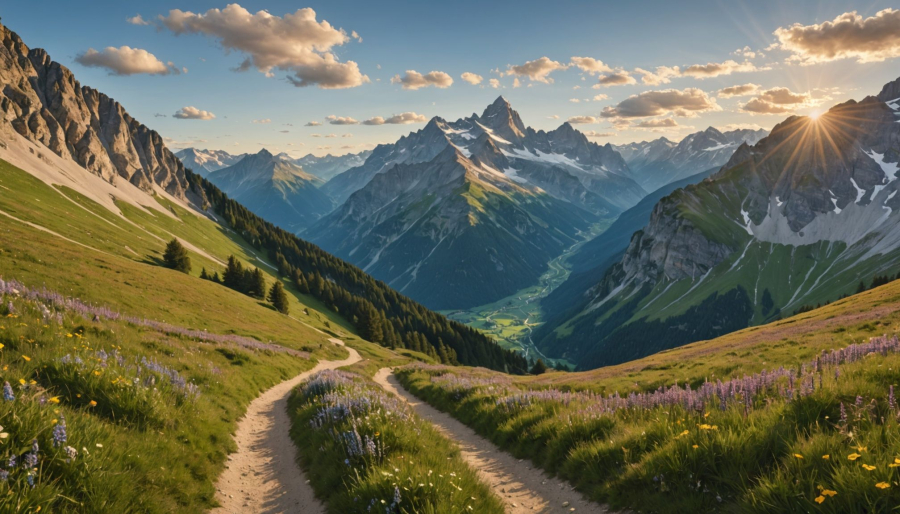
Less known than the TMB but equally demanding, the Walker’s Haute Route runs from Chamonix to Zermatt, following high-altitude paths beneath the peaks rather than circling them. This trek stays closer to glaciers, offering raw, unfiltered views of the Pennine Alps. With fewer huts and more remote terrain, it’s better suited to experienced backpackers who are comfortable with navigation and variable weather. The route typically takes 9 to 11 days, and while it lacks the full-circle symbolism of the TMB, it delivers a deeper sense of wilderness.
The wild beauty of the GR54 trail
For those looking beyond the Mont Blanc region, the GR54 - also known as the Tour des Écrins - offers a rugged alternative in the southern French Alps. Nestled within the Écrins National Park, this trail traverses high valleys, glacial streams, and pine forests with far fewer crowds. The terrain is challenging, with steep ascents and unpredictable weather, but the solitude and dramatic scenery make it a favorite among seasoned hikers seeking authenticity.
Comparing difficulty and duration of popular routes
Not all alpine hikes demand weeks of commitment. Some can be completed in a day, others require careful planning and physical preparation. To help you choose based on your experience and time, here’s a comparison of four well-known routes.
| Route Name | Difficulty Level | Average Duration | Highlight |
|---|---|---|---|
| Lac Blanc | Easy to moderate | 3-4 hours round trip | Stunning reflection of Mont Blanc in the alpine lake |
| Tour du Mont Blanc (TMB) | Challenging | 7-10 days | Full circuit around Western Europe’s highest peak |
| Grand Balcon Sud | Easy | 2-3 hours one way | Continuous panoramic views of Mer de Glace glacier |
| Walker’s Haute Route | Very challenging | 9-11 days | High-altitude traverse from Chamonix to Zermatt |
This overview shows that difficulty isn’t always tied to duration. Lac Blanc, for instance, is accessible to most fitness levels thanks to lift access from La Flégère, while the Walker’s Haute Route demands technical awareness despite a similar daily hiking rhythm. Choosing the right trail means matching your goals - whether it’s a photo opportunity, a physical test, or a spiritual reset.
Spectacular day hikes near Chamonix and Megève
Not every memorable alpine experience requires a multi-day commitment. Some of the most breathtaking moments happen on short hikes that fit neatly into a single morning or afternoon. These trails offer a taste of high mountain life without the need for extensive gear or planning.
Reaching the mirror waters of Lac Blanc
If there’s one day hike that captures the essence of the French Alps, it’s the path to Lac Blanc. Located above Chamonix, this glacial lake sits at nearly 2,350 meters, perfectly reflecting the surrounding peaks, including the Dru and the Grandes Jorasses. The trail begins at the top station of the La Flégère cable car, cutting out the steepest climb and making it accessible even for casual hikers. On a calm morning, the still water creates a surreal mirror effect - a favorite among photographers.
Grand Balcon Sud for panoramic vistas
Running along the southern flank of the Chamonix Valley, the Grand Balcon Sud is a gentle, well-maintained path that offers uninterrupted views of the Mer de Glace, Europe’s largest glacier. Starting from either Les Praz or Planpraz, this hike requires minimal elevation gain, making it ideal for families or those easing into alpine terrain. What sets it apart is the consistency of the scenery - you’re never more than a few steps from a postcard-worthy outlook. It’s no surprise that locals return to this trail season after season.
Essential preparation for your alpine adventure
The mountains don’t forgive unpreparedness. Even on well-marked trails, conditions can shift rapidly. A sunny morning can turn into a whiteout by afternoon. Proper planning separates a rewarding hike from a dangerous misadventure.
Choosing the right season for high altitudes
The prime window for most alpine hikes runs from mid-June to mid-September. Before July, snow often blocks high passes, especially on routes like the TMB or Haute Route. After September, early snowfalls and shorter daylight hours increase risks. While some lower trails are accessible earlier, anything above 2,000 meters should be approached with caution outside the core season.
Packing gear for variable mountain weather
Layering is key. Mornings are cold, afternoons can be warm, and storms appear quickly. A moisture-wicking base layer, insulating mid-layer, and waterproof outer shell are essential. Don’t underestimate the importance of sturdy hiking boots with ankle support - loose rocks and uneven terrain are common. A backpack with at least two liters of water, snacks, and a basic first aid kit should never be left behind.
Safety and navigation on marked trails
The French trail system uses color-coded markers: yellow for GR routes, red-and-white for mountain paths. These are generally reliable, but GPS backups are wise. Download offline maps before heading out - cell service vanishes quickly in valleys. Check the weather forecast daily, and if thunderstorms are predicted, descend early. The mountains will always be there; there’s no shame in postponing.
- Always check for weather alerts before departure
- Carry a basic first aid kit with blister treatment
- Inform someone of your itinerary and expected return time
- Respect local flora and fauna - stay on marked paths
Logistics and luggage transfers for hikers
One of the most overlooked aspects of long-distance hiking is logistics. Carrying a full backpack for days on end adds strain and reduces enjoyment. Fortunately, modern services make it possible to hike with just a day pack - your luggage moves ahead of you.
Lightening your load on the TMB
Many hikers now opt for luggage transfer services that shuttle bags between refuges or hotels each day. This means you only carry essentials: water, snacks, rain gear, and a camera. The service is especially popular on the TMB, where accommodation is well-established and transfer routes are efficient. It’s not just about comfort - traveling lighter reduces fatigue and injury risk over long distances.
Seamless transitions from airport to trail
Your adventure starts long before the first step on the trail. Arriving at Geneva Airport with hiking gear, luggage, and possibly a group? A reliable private transfer service ensures you reach Chamonix or Megève without stress. Specialized mountain transport providers know the roads, weather patterns, and timing needed for smooth drop-offs - especially important when coordinating with luggage transfers or hut bookings.
- Luggage transfer services typically cost between 15 and 25 € per bag per day
- Most companies require 24-hour advance notice for pickup
- Some offer combined transport and booking packages for added convenience
Common Questions
What are the typical costs for luggage portage services on the Mont Blanc circuit?
Luggage transfer on the Tour du Mont Blanc usually costs between 15 and 25 € per bag per day, depending on the provider and route section. Most services require advance booking, especially during peak season, and some include pickup and drop-off at hotels or trailheads.
Is there a quieter alternative to the classic Tour du Mont Blanc?
Yes - the Tour of the Vanoise, located in the Vanoise National Park, offers a less crowded long-distance option. It features high alpine scenery, mountain huts, and wildlife like ibex and marmots, all with fewer hikers than the TMB. It’s a great choice for those seeking solitude and natural immersion.
How has the rise of e-booking changed mountain hut stays recently?
Many mountain refuges now require online reservations, especially during summer. Walk-ins are often turned away due to high demand. Booking early - sometimes months in advance - is strongly advised, particularly for popular huts on the TMB or Haute Route.
I have never hiked in the Alps; which trail is the best starting point?
The Grand Balcon Sud near Chamonix is an excellent introduction. It’s well-marked, has minimal elevation gain, and offers consistent views of glaciers and peaks. With easy access from town or cable car stations, it’s both safe and rewarding for first-time alpine hikers.
